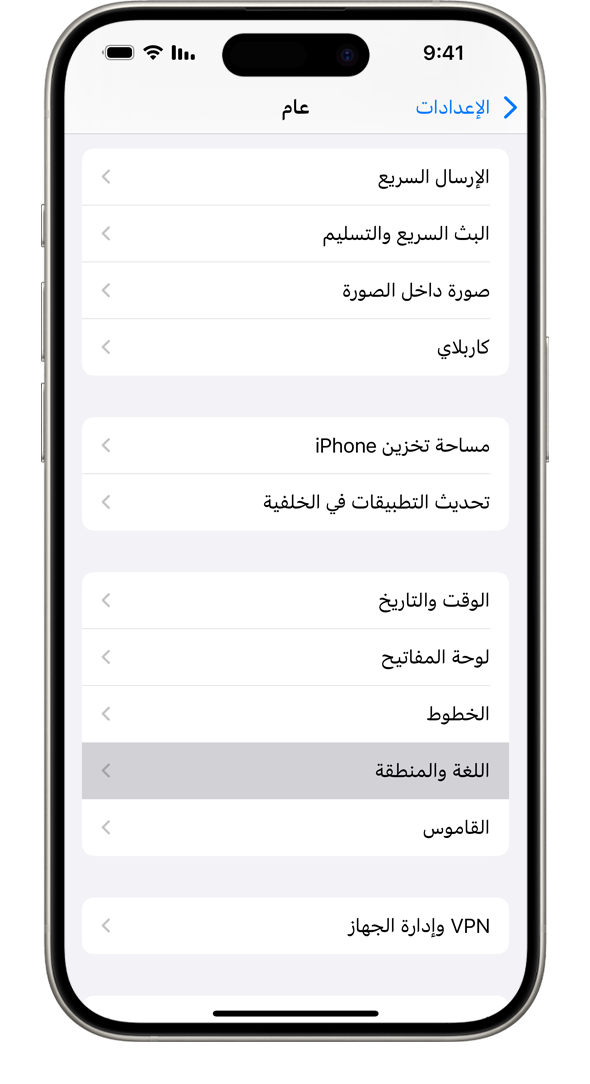
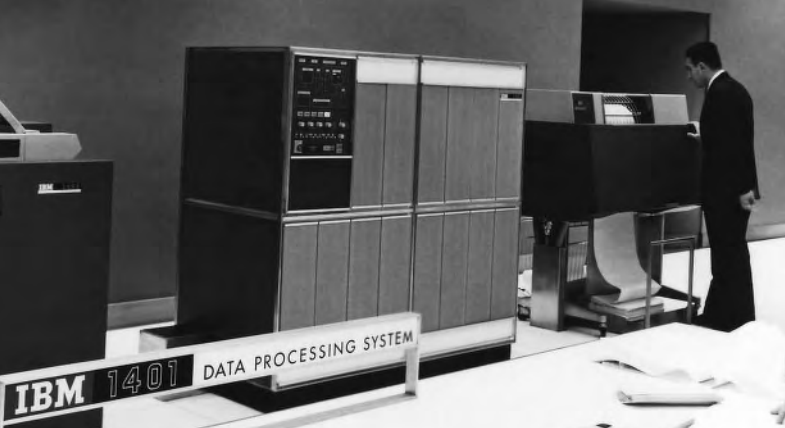
لبدء مجموعة المقالات التي سنجري فيها أبحاثا معمقة حول الحواسيب المبنية على العربية، سنقدم أولا نظرة عامة على الحواسيب الرئيسية والأحداث الزمنية خلال الخمسين سنة الماضية التي تدعم اللغة العربية. في هذا المقال، سنبدأ بفترة السبعينيات عندما تم اختراع الحواسيب الشخصية لأول مرة. الفترات بين الأربعينيات والسبعينيات التي كانت فيها الحواسيب الكبيرة وأجهزة الكمبيوتر الصغيرة موجودة ستستبعد في الوقت الحالي لأنني لا أملك حاليا أدلة على وجود حواسيب قبل السبعينيات دعمت اللغة العربية. ومع ذلك، نعلم أن الدول العربية، مثل السعودية، استخدمت الحواسيب لأول مرة في وقت مبكر من الأربعينيات. على سبيل المثال، استخدمت شركة أرامكو السعودية آلات الحساب الإلكتروني في الأربعينيات، ولاحقا اشترت أول حواسيب آي بي إم (IBM) المركزية في الخمسينيات (الموانيس، 2017). نعلم أيضا أن العديد من المؤسسات في العالم العربي اشترت واستخدمت IBM 1401 في الستينيات لمعالجة البيانات. في ذلك الوقت، كان نظام معالجة البيانات IBM 1401 هو الأكثر شعبية في العالم وكان يستخدم في جميع أنواع معالجة البيانات، لكنه كان يدعم فقط الحروف اللاتينية من اليسار إلى اليمين في ذلك الوقت.
(ملاحظة: في البحث اللاحق، سأبحث في أرشيف البحث لمعرفة ما إذا كانت هناك محاولات لتعديل IBM 1401 لدعم اللغة العربية وأبلغ بالتقرير.)
To kick off the set of articles in which we will conduct in-depth research about Arabic-based computers, we will first provide an overview of the key computers and the chronological events in the last fifty years that support the Arabic language. For this article, we will begin with the 1970s period when personal computers were first invented. The periods between the 1940s and the 1970s when computer mainframes and minicomputers existed will be excluded for now because I currently do not have evidence of computers before the 1970s that supported the Arabic language. We do know, however, that Arab countries, such as Saudi Arabia, first used computers as early as the 1940s. For instance, Aramco of Saudi Arabia used electronical tabulating machines in the 1940s and later purchased the first IBM mainframes in the 1950s (Almowanes, 2017). We also know that many institutions around the Arab world purchased and made use of the IBM 1401 in the 1960s for data processing. At that time, the IBM 1401 Data Processing System was the most popular computer in the world and was used for all sorts of data processing, but it only supported left-to-right Latin characters at the time.
Note: In subsequent research, I will dig through the research archives to determine if there were any attempts to modify the IBM 1401 to support the Arabic language and report back.)
فترة السبعينيات – The 70s Period
كانت فترة السبعينيات هي العقد الذي تم فيه اختراع الحواسيب الشخصية لأول مرة، بدءا من كينباك-1 (Kenbank-1) في عام 1971، الذي باع فقط 50 وحدة، تلاها ألتير 8800 (Altair 8800)في عام 1975، الذي كان أول من أثار اهتمام هواة الإلكترونيات ببناء حواسيبهم الشخصية الخاصة، وبعد عام مع جهاز آبل ١ (Apple 1) ، الذي كان من أوائل الحواسيب المجمعة مسبقا التي يمكن لأي شخص شراؤها وكان الحاسوب الذي بدأ شركة آبل. في ذلك الوقت، بدأ المهندسون الأفراد وكذلك شركات الأعمال في تجربة تصاميم حوسبة مختلفة، وتعديلات، وتوسعات. كانت الحواسيب الشخصية المبكرة لا تزال تعتمد في الغالب على الإنجليزية واللاتينية، مع أبحاث تطوير الحاسوب تجري بشكل رئيسي في العالم الغربي، لكن ثلاثة حواسيب شخصية في أواخر السبعينيات شهدت إدخال النصوص العربية. وهذه هي Xerox Star 8010، المبني على البحث والتطوير الذي أجرته مركز أبحاث زيروكس بالو ألتو (PARC) في بالو ألتو، كاليفورنيا؛ و”آرا آبل”(AraApple) ، وهو نسخة معدلة من كمبيوتر آبل II (Apple II) ؛ ونسخة سينكلير ZX سبيكتروم العربية Sinclair ZX Spectrum Arabic Edition. سنخصص مقالات محددة لكل من هذه الحواسيب، ولكن في الوقت الحالي سنقدم شرحا موجزا مع صور لكل جهاز آخر.
The 1970s period was the decade in which personal computers were first invented, beginning with the Kenbak-1 in 1971, which only sold 50 units, followed by the Altair 8800 in 1975, which was the first to spark interest among electronic hobbyists in building their own personal computers, and, a year after, with the Apple I, which was one of the first pre-assembled computers that anyone could buy and was the computer that started Apple computers. At that time, individual engineers as well as business companies began experimenting with different computing designs, modifications, and extensions. The early personal computers were still predominantly English and Latin-based, with computer development research taking place mainly in the Western world, but three personal computers in the later part of the 70s saw the introduction of Arabic text. These are the Xerox Star 8010, which is based on the research and development by Xerox Palo Alto Research Center (PARC) in Palo Alto, California; the “AraApple,” a modified version of the Apple II computer; and the Sinclair ZX Spectrum Arabic version. We will dedicate specific articles for each of these computers, but, for now, we will provide a brief explanation along with photos for each next.
دعم Xerox Star 8010 باللغة العربية – Xerox Star 8010 Arabic-support
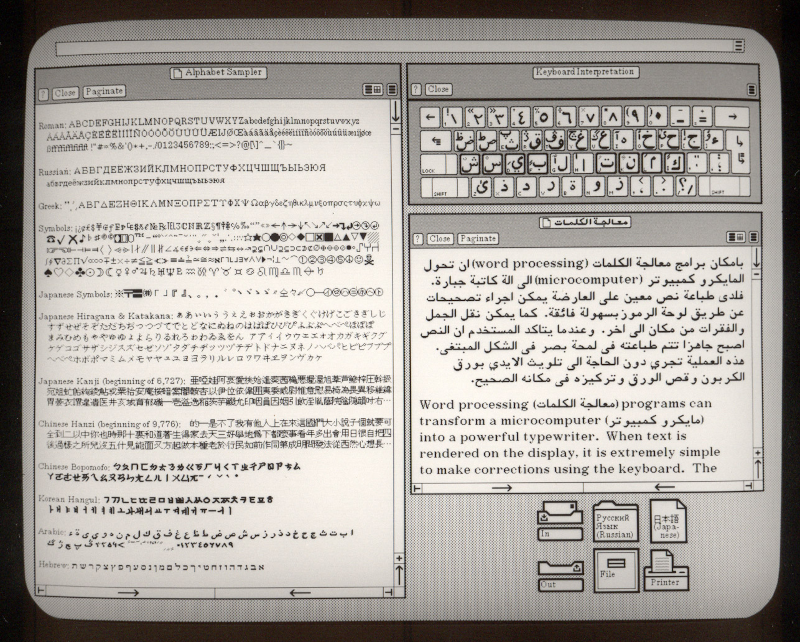
تم تصنيع أول جهاز زيروكس ستار 8010 في الولايات المتحدة وطرح للجمهور في عام 1981، رغم أن التطوير بدأ في عام 1979. كان الجهاز نفسه يحتوي على تقنيات رائدة في ذلك الوقت، ويمكن القول إنه تم نسخه من قبل فريق آبل لجهاز آبل ماكنتوش. المعلومات حول قدراته العربية محدودة، لكننا سنجري بحثا شاملا عنها. نعرض الشاشة أدناه الكمبيوتر زيروكس ستار مع الخطوط العربية لمعالجة النصوص.
The first Xerox Star 8010 was manufactured in the United States and released to the public in 1981, even though development had started in 1979. The machine itself had groundbreaking technologies at the time and arguably was copied by the Apple team for the Apple Macintosh. Information about its Arabic capabilities is limited, but we will do thorough research about it. The screen below shows its rendering of Arabic fonts for word processing.
دعم Sinclair ZX Spectrum العربية – Sinclair ZX Spectrum Arabic support
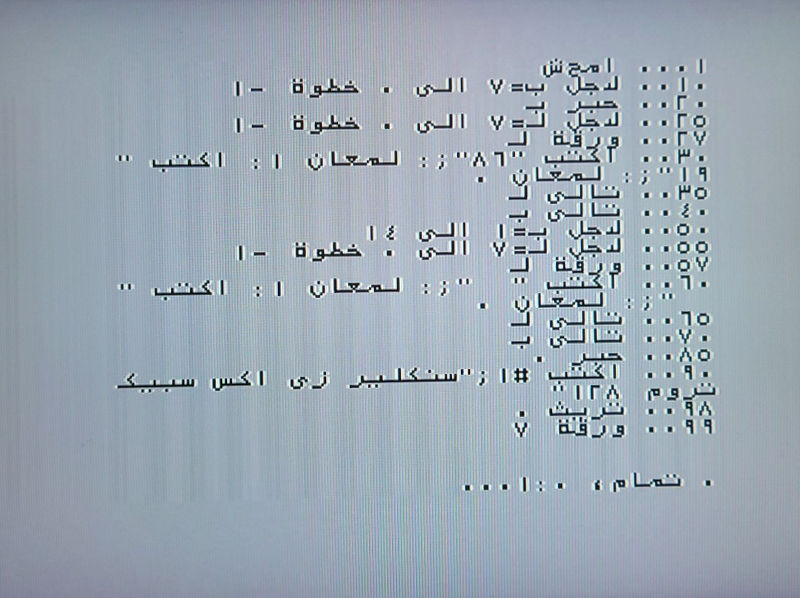
سينكلير ZX سبيكتروم (Sinclair ZX Spectrum) هو حاسوب منزلي شخصي تم تصنيعه في المملكة المتحدة بواسطة شركة سينكلير للأبحاث في عام 1981. تقنيا تم تصنيعه في فترة الثمانينيات، لكني أود أن أبقيه في أواخر السبعينيات لأنه الفترة التي أصبحت فيها المعالجات الدقيقة التي تشغل أجهزة الكمبيوتر الشخصية رخيصة وكانت متاحة للشركات لبناء الأنظمة المبكرة. ليس لدي صورة لجهاز Spectrum الأصلي باللغة العربية، لكنني أعرض أدناه لقطة شاشة لنسخة 1987 تدعم العربية. سأخصص صفحة عن النسخة العربية من Spectrum Sinclair بعد أن أجرب محاكي (emulator) موجود للجهاز.
The Sinclair ZX Spectrum is a personal home computer that was manufactured in the United Kingdom by Sinclair Research in 1981. Technically it was manufactured in the 80s period, but I would like to keep it as late 70s because it is the period when the microprocessors that power personal computers became cheap and were accessible for companies to build the early systems. I do not have a photo of the original Spectrum in Arabic, but I do show below a screenshot of a 1987 version that supports Arabic. I will have a dedicated page about the Arabic version of the Spectrum Sinclair after I experiment with an existing emulator for the machine
آرا أبل – النسخة العربية من آبل 2 – Ara Apple (Arabic version of Apple II)
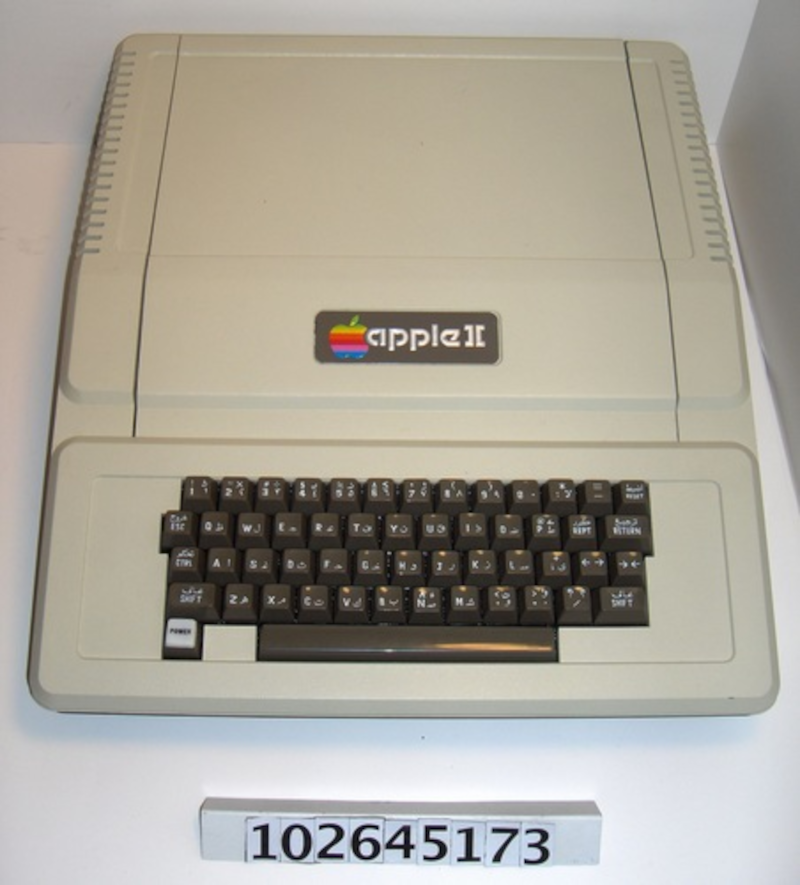
آرا أبل (AraApple) هو النسخة المعدلة من آبل II (Apple II) وتم تصنيعه في عام 1979. تضمن شريحة متخصصة للكتابة بالعربية، كما تضمن مفتاح فعلي للتبديل بين اللغات. سيكون هناك المزيد من الأبحاث حول هذا الكمبيوتر في مرحلة لاحقة لأنني تمكنت من العثور على عدة وثائق تخصه.
The AraApple is the modified version of the Apple II and was manufactured in 1979. It included a specialized chip for typing in Arabic, and it also included a physical switch to toggle between languages. There will be more research about this computer at a later stage. I did manage to find various documentations about it.
فترة الثمانينيات – The Eighties Period
هدت فترة الثمانينيات تدفقا في أجهزة الكمبيوتر المدعومة بالعربية، بما في ذلك الشراكة مع شركات دولية، والتصنيع المحلي، والإنتاج الضخم للمجتمعات العربية. وأشهرها كانت الحواسيب تحت علامة صخر التي أسستها الشركة الكويتية صخر من قبل المبدع الراحل محمد الشريخ عام 1982. يعتبر السيد الشريخ أب الحواسيب العربية في العالم العربي. قامت شركته ببناء أول نظام تشغيل باللغة العربية، ووسعت حواسيب MSX التي طورتها مايكروسوفت للسوق اليابانية إلى حواسيب الصخر العربية، وصنعت العديد من البرامج العربية، بما في ذلك النسخة العربية من لغة الكمبيوتر BASIC للأسواق العربية.
The 80s period saw an influx in Arabic-supported computer hardware, which includes partnering with international companies, local manufacturing, and mass production for Arab communities. The most famous of all were the computers under the brand Sakhr by the Kuwaiti company Sakhr that was founded in 1982 by the late Mohammed Al-Sharekh. Mr. Al-Sharekh is regarded as the father of Arabic-based computers in the Arab world. His company built the first Arabic language operating system, extended the MSX computers that were developed by Microsoft for the Japanese market into the Arabic Sakhr computers, and made numerous Arabic software, including the Arabic version of the BASIC computer language for the Arab markets.
كمبيوتر صخر – Sakhr Computer
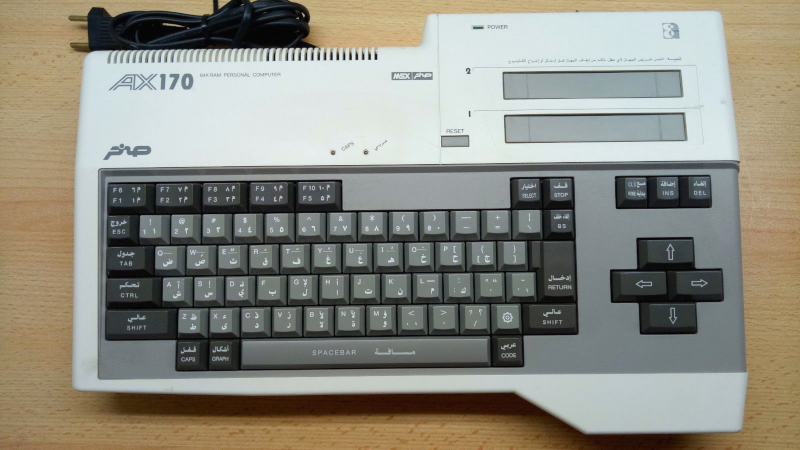
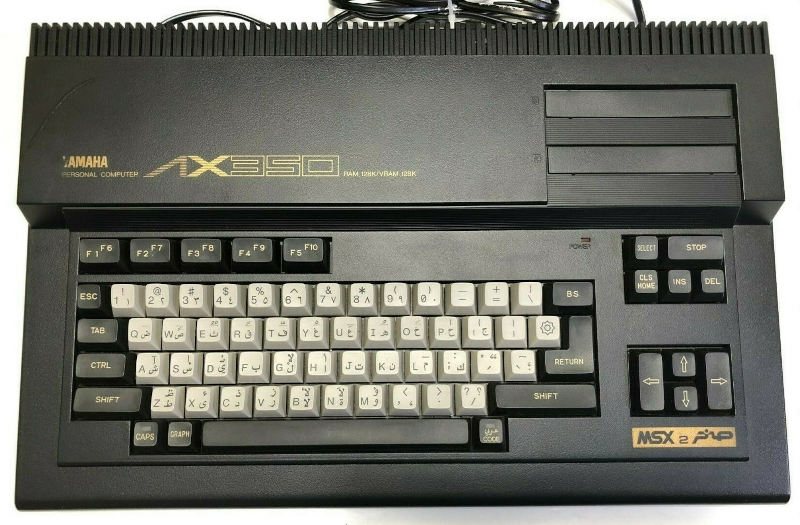
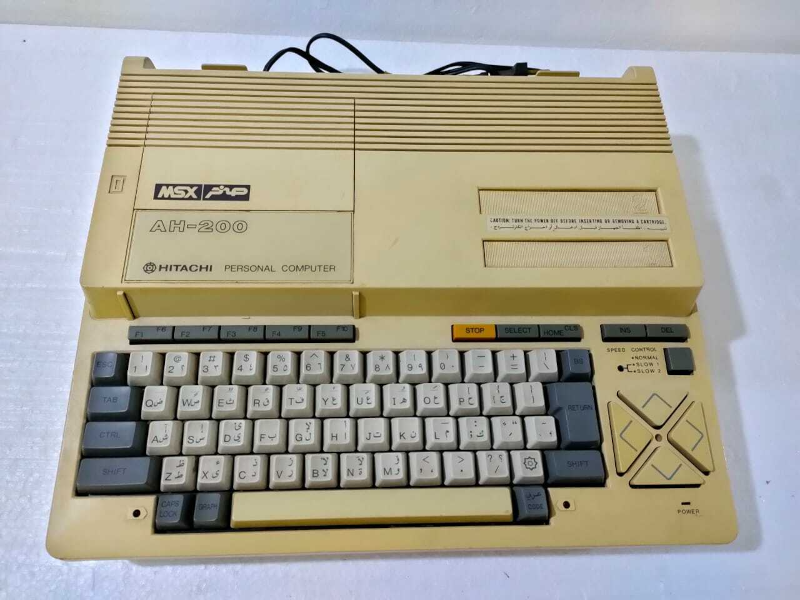
الكثير لنتحدث عن كمبيوترات صخر، وسنحتفظ به لمواضيع لاحقة. بعض الحواسيب الرئيسية لصخر التي تم تصنيعها في الثمانينيات كانت صخر AX-170، صخر AX-350، وصخر AH-20. وجدت تفاصيل تقنية عن حواسيب صخر في msx.org، و سأشارك نتائجي في مقال لاحق.
There is a lot to discuss about the Sakhr computers, and we will reserve this for later topics. Some of the key Sakhr computers that were manufactured in the 80s were the Sakhr AX-170, Sakhr AX-350, and Sakhr AH-20.I found technical details about the Sakhr computers at msx.org. I will share my findings at a later article
تشمل الحواسيب العربية الأخرى التي تم تصنيعها في ذلك الوقت:
الوركاء 6001 & 6002 في العراق مبنية على كمبيوتر NEC PC-6001 من NEC
تم بناء باوارث المثالي MSX 2 في السعودية بواسطة شركة دايو و وزعته شركة باوارث إنتربرايزز للتجارة.
سلسلة الحواسيب الفاتح — نسخة معدله من صخر AX-170 لمنطقة ليبيا.
:Other Arabic-based computers that were manufactured at the time include
Al-Warka 6001 & 6002 in Iraq based on the NEC PC-6001 computer from NEC
Bawareth Perfect MSX 2 in Saudi Arabia was built by Daewoo and distributed by Bawareth Enterprises.
Al Fateh computer series—a rebranded version of the Sakhr AX-170 for the Libya region.
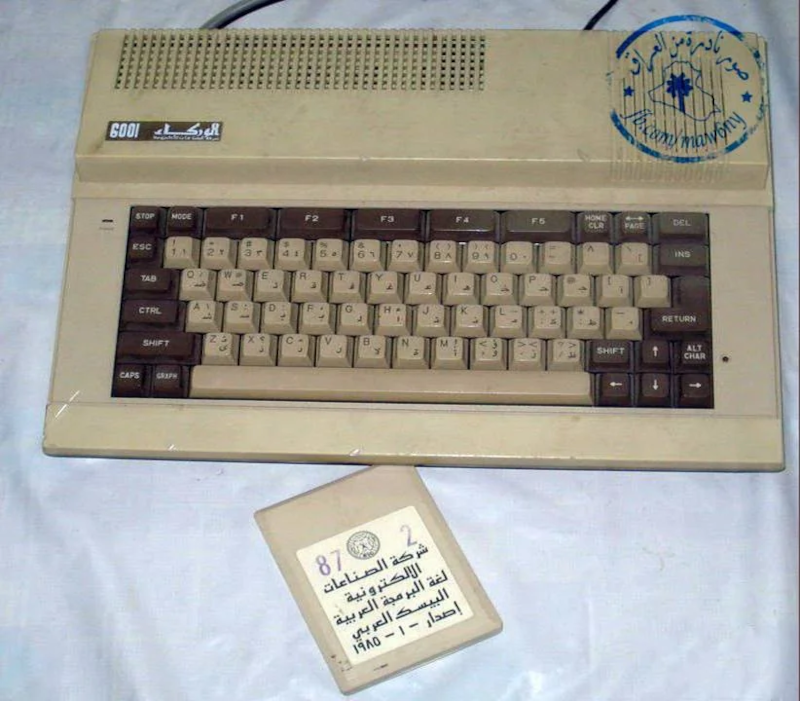
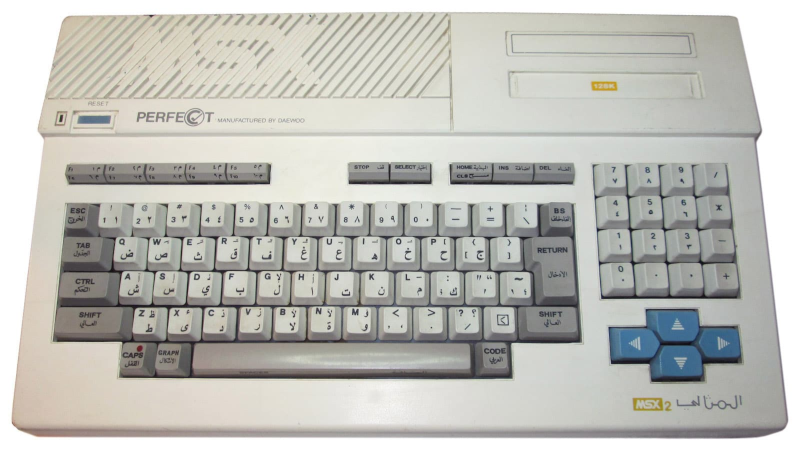
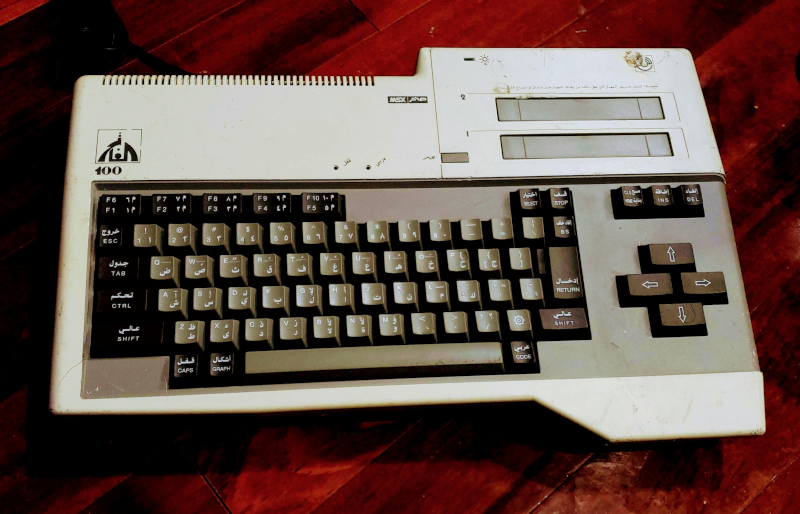
الحواسيب المذكورة أعلاه وربما غيرها التي لم أجدها بعد ساعدت في تشكيل الحاسوب الشخصي في العالم العربي للاستخدام المنزلي والتعليمي. لاحقا، أصبح جهاز IBM الشخصي ونظام تشغيل مايكروسوفت MS DOS، تلتها الإصدارات الأولى من نظام تشغيل مايكروسوفت ويندوز إلى جانب آبل ماكنتوش، يحققان حضورا قويا في عالم الأعمال. أصبح هذا أكثر تأثيرا في التسعينيات عندما أصبحت هناك حاجة لعدد أقل من الحواسيب العربية المخصصة وتم استبدالها بحواسيب شخصية عادية تدعم العربية داخل أنظمة تشغيلها.
The computers above and probably others that I did not find yet helped shape the personal computer in the Arab world for home and educational use. Subsequently, the IBM personal computer and the Microsoft operating system, MS DOS, followed by the early versions of the Microsoft Windows operating system along with the Apple Macintosh, were making a strong presence in the business world. This became more impactful in the 90s when fewer dedicated Arabic computers were necessary and were being replaced by standard personal computers that have Arabic support inside their operating systems
التسعينيات – The 90s
شهدت هذه الفترة صعودا عالميا لحواسيب IBM الشخصية، ونظام تشغيل مايكروسوفت ديسك (DOS) بدعم اللغة العربية، وماكنتوش مع مجموعة اللغة العربية، وإصدارات ويندوز 95 وويندوز 98 العربية. أصدرت صخر آخر حاسوبها العربي المخصص، وهو صخر AX-990. أصدرت شركة صن مايكروسيستمز نسخة عربية من محطات عمل يونكس عالية الجودة للبحث والأكاديميا. كانت مؤسسات مختلفة تركز على البرامج العربية التي يمكن تشغيلها على الحواسيب اللاتينية القياسية التي تدعم اللغة العربية أيضا. سرعان ما أصبحت هذه الحواسيب أصولا رئيسية في الشركات في جميع أنحاء المنطقة العربية، وسرعان ما حلت محل الحواسيب المنزلية العربية التي كانت تحتوي على أجهزة عربية مخصصة، مثل الصخر.
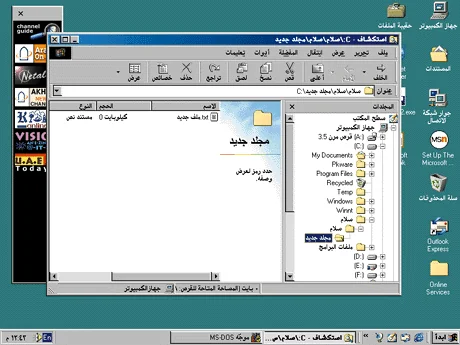
This period saw the global rise of the IBM personal computer, the Microsoft Disk Operating System (DOS) with Arabic support, the Macintosh with the Arabic Language Kit, and the Windows 95 and Windows 98 Arabic editions. Sakhr released its last dedicated Arabic computer, the Sakhr AX-990. Sun Microsystems released an Arabic version of their high-end UNIX workstations for research and academia. Various institutions were focusing on the Arabic software that can run on standard Latin-based computers that now support the Arabic language as well. Soon such computers became key assets across businesses all around the Arab region and soon replaced the Arabic home computers that had dedicated Arabic hardware, such as the Sakhr.
الألفينات وما بعدها – The 2000s and beyond
نضجت برمجيات الحاسوب عبر الحواسيب الشخصية القياسية، مما جعل الآلات منصات عالمية. أصبحت نسخة ويندوز XP العربية، ونظام Mac OS X مع دعم اللغة العربية، والإصدارات العربية من نظام تشغيل لينكس، والهواتف المحمولة ذات الواجهة العربية، والعديد من أجهزة القراءة الإلكترونية العربية أجهزة شائعة في جميع أنحاء المنطقة. لذا، أصبح وجود الأجهزة العربية المخصصة قديما. ومع ذلك، هناك الآن المزيد من الأدلة على أن استخدام العربية في الحواسيب والأجهزة الكهربائية يتدهور مع ازدياد إتقانا للإنجليزية، لغة الإنترنت. لكن هذا لا ينبغي أن يكون صحيحا. سنناقش المزيد عن هذا في المستقبل.
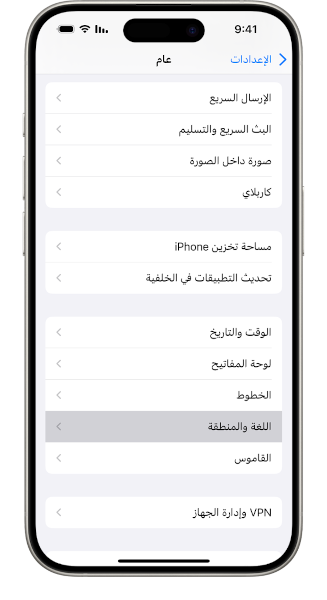
The computer software matured across the standard personal computers, making machines become global platforms. The Windows XP Arabic edition, the Mac OS X with Arabic support, Arabic editions of the Linux operating system, Arabic-interface mobile phones, and various Arabic e-readers became common household and business devices all around the region. Hence, the presence of dedicated Arabic hardware became obsolete. However, there is now more evidence that the use of Arabic in computers and on electrical devices is degrading since the new Arab generations are becoming more proficient in English, the language of the Internet. But that should not be the case. We will discuss more about this in the future
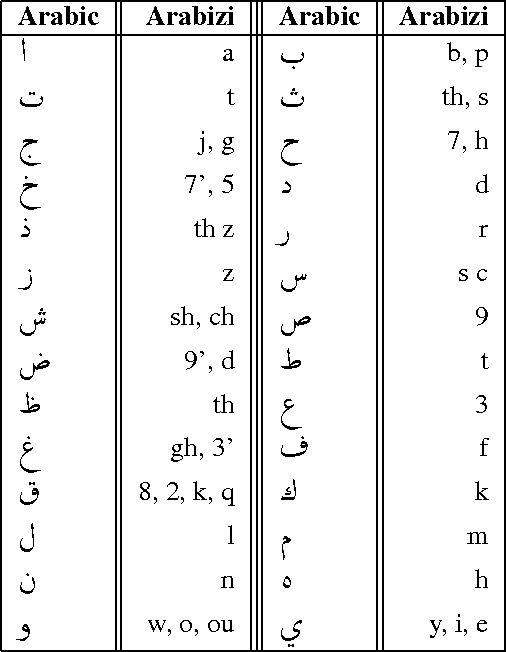
تمهد هذه المقالة الطريق لمواضيع البحث المختلفة التي أحتاج إلى تغطيتها:
- ما هي الجهود التي حدثت بين الأربعينيات والستينيات لدعم اللغة العربية في الحواسيب؟
- كيف كانت اللغة العربية مدعومة في أجهزة وبرمجيات الحاسوب في السبعينيات والثمانينيات؟
- ما هي بعض الأجهزة والبرمجيات الرئيسية المعتمدة على العربية التي كانت بالعربية أصلا، وماذا حدث لها؟
- ما الذي حدث للغة العربية في العالم الرقمي منذ سنوات الألفية، وما هي بعض المبادرات الرئيسية التي تحاول إبقاء اللغة حية؟
- ما الذي يجب أن نتطلع إليه في المستقبل للمجتمع العربي عندما يتعلق الأمر باللغة العربية والحواسيب؟
This article sets the stage for the various research topics that I need to cover: What efforts took place between the 40s and 60s to support Arabic in computers? How was the Arabic language supported in the computer hardware and software of the 70s and 80s? What are some of the key Arabic-based hardware and software that were natively in Arabic, and what happened to those? Until next time
مصادر – Resources
Almowanes (2017) “History of Computing in Saudi Arabia: A Cultural Perspective”, International Journal of Social Science and Humanity, Vol. 7, No. 7, July 2017
Screenshots of MSX Sakhr, Bawareth, and AlFateh computers from msx.org
AraApple II screenshot from Computer history.org Archive.org
ZX Spectrum Sinclair Arabic screenshot from Sinclair Collection
AlWarka computer screenshot from Reddit
IBM 1401 computer screenshot from Computer History Museum
Arabizi screenshot from Semanticscholar.org
Windows 98 Arabic screenshot from Archive.org

Apple IPhone Arabic screen shot from Apple.com